
Clogged AC Drain Line: Why Florida Systems Shut Off or Leak, and What to Do
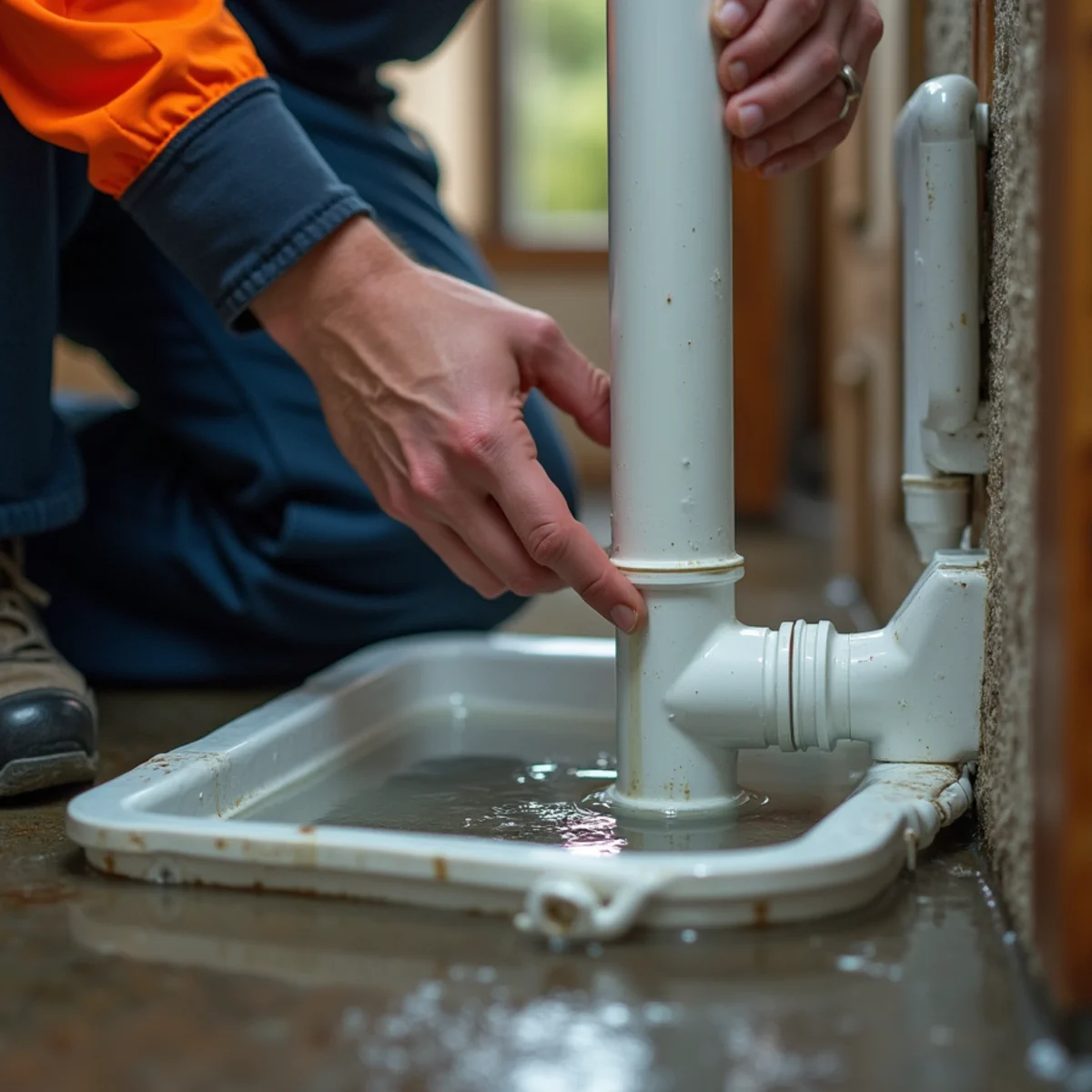
Quick answer: A clogged AC drain line is the number-one cause of summer AC shutdowns and ceiling leaks in Florida. Your system pulls gallons of water out of humid air daily, and it all drains through one small line that grows algae. When it clogs, a safety float switch shuts the system off — or, if there is no working switch, water overflows into your ceiling. If you see water near the air handler, turn the system off, protect the area, and call. Do not pour bleach into an inaccessible line; have it professionally flushed.
What the condensate drain actually does
When warm, humid Florida air passes over your air conditioner's cold indoor coil, moisture condenses out of it — just like water beading on a cold glass. On a humid Orange Park day a system can remove many gallons of water, and every drop leaves the house through the condensate drain line. It is a simple pipe doing a huge amount of work, all season long.
Why it clogs so often here
That constant flow of water in a warm, dark pipe is a perfect place for algae and slime to grow. Add in dust pulled through the system and you get a line that gradually narrows and then blocks. Homes near Doctors Lake, the St. Johns River and the creeks around Fleming Island deal with even more humidity, so their drains work harder and clog faster. It is the single most common service item in the region.
Two things that happen when it blocks
If your system has a working float switch — a small safety that senses the backup — it shuts the air conditioner off before water overflows. That is why a "my AC keeps randomly shutting off" complaint is so often a drain problem, not an equipment failure. If there is no working float switch, the water has nowhere to go and overflows the pan, running into your ceiling, walls or attic and causing real damage.
Need an HVAC technician now?
We answer live 24/7 and give you a price before any work starts.
What to do right now
- If you see water spreading, turn the system off at the thermostat
- Protect flooring and belongings; mop up standing water
- Photograph the drain pan, any ceiling stain and the area for your records
- Do not pour bleach or chemicals into a line you cannot see — it can damage components or make a backup worse
- Call for service to have the line professionally cleared and the pan and float switch checked
How a technician clears and prevents it
A technician flushes the line (often with a vacuum and a clean flush), checks that the pan is not rusted or cracked, confirms the float switch actually shuts the system down, and verifies the line is sloped and routed correctly. If the drain keeps clogging every summer, that points to a routing or slope issue worth correcting once rather than fighting every year.
The best prevention is a twice-a-year tune-up. Clearing the drain and checking the float switch before cooling season is a small task that heads off the most common — and most damaging — mid-summer call.
Early warning signs before a full clog
A drain rarely blocks all at once. It narrows first, and the system drops hints you can learn to read. Catching them early turns a ceiling repair into a quick flush.
- The AC shuts off and restarts on its own every day or two
- A musty or mildew smell near the air handler or from the vents
- A little standing water in the drain pan or a damp spot below it
- A faint water stain starting on a ceiling below an attic air handler
- Higher-than-usual indoor humidity even though the system runs
Need an HVAC technician now?
We answer live 24/7 and give you a price before any work starts.
What you can safely do between tune-ups
There is a little you can do yourself without opening the equipment. If your system has an accessible drain cleanout (a capped PVC tee near the air handler), pouring a cup of distilled white vinegar down it every month or two slows algae. Keep the area around the air handler clear so you would notice water early, and change your filter on schedule so less dust feeds the slime. Anything beyond that — vacuuming the line, checking the pan and float switch, correcting slope — belongs to a technician.
The bottom line
A clogged condensate drain is the most common and most preventable Florida AC problem. If your system is shutting off on its own or you see water near the air handler, turn it off, protect the area, and have the line cleared — then put a twice-a-year tune-up on the calendar so the drain never gets the chance to flood your ceiling.
Related questions
Need a hand from a real technician?
We serve Orange Park and Clay County 24/7, with a price before any work starts.
(321) 478-0693